Sourcing April 28, 2026 8 min read
The story behind our beans
From farm to cup — how we source responsibly, and why we visit the people who grow what we roast.
Written by Jonas Weir
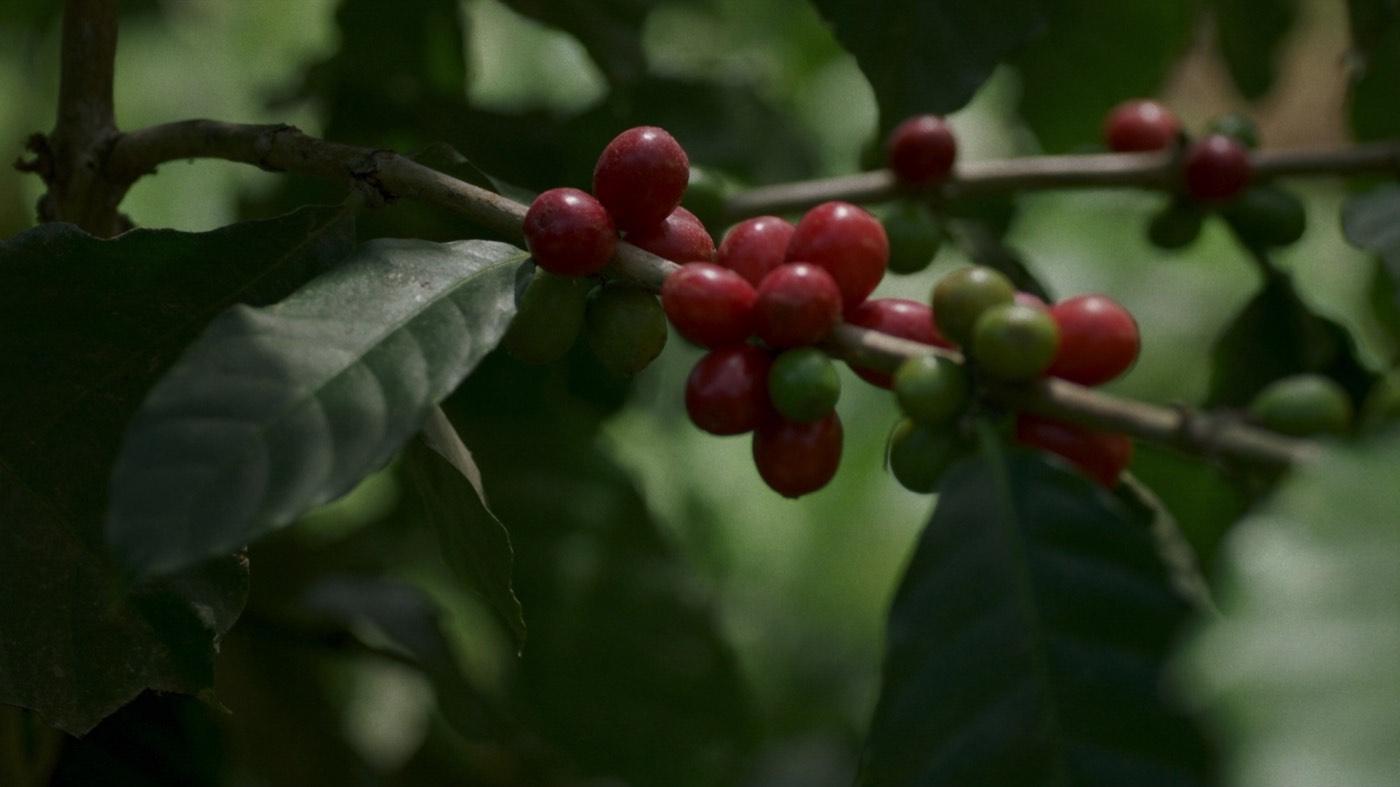
Every bag on our shelf can be traced back to a farm, a harvest year and a price. That sounds like the sort of thing a coffee shop says on a chalkboard, so here is what it actually means in practice.
We buy from four farms
Not four importers — four farms. Two in Huila, Colombia, one in Guji, Ethiopia, and one cooperative of eleven smallholders in Nariño. Keeping the list short is deliberate: it means we can pay attention, and it means a bad year for one of them is a conversation rather than a spreadsheet decision.
What we pay
We publish the price we pay per kilo for green coffee on the bag, alongside the commodity price for the same month. In every lot we have bought since opening, ours has been between two and four times higher. That is not generosity, it is what specialty coffee costs when someone is not absorbing the difference for you.
If the price on the bag looks high, the alternative is that somebody upstream is being paid too little.
We go
Once a year, one of us gets on a plane during harvest. It is expensive and it is the least skippable thing we do. You cannot judge a drying patio from an email, and you cannot ask a producer what they actually need without sitting down with them.
What changed because of it
Two things, this year. We moved our Colombian contract from a single annual purchase to two smaller ones, which suits the farm's cash flow far better than one lump sum in March. And we started buying a lower-grade lot from the same farm for our cold brew, which turns coffee that would otherwise go to the commodity market into a product we can stand behind.